Changed By All We Touch
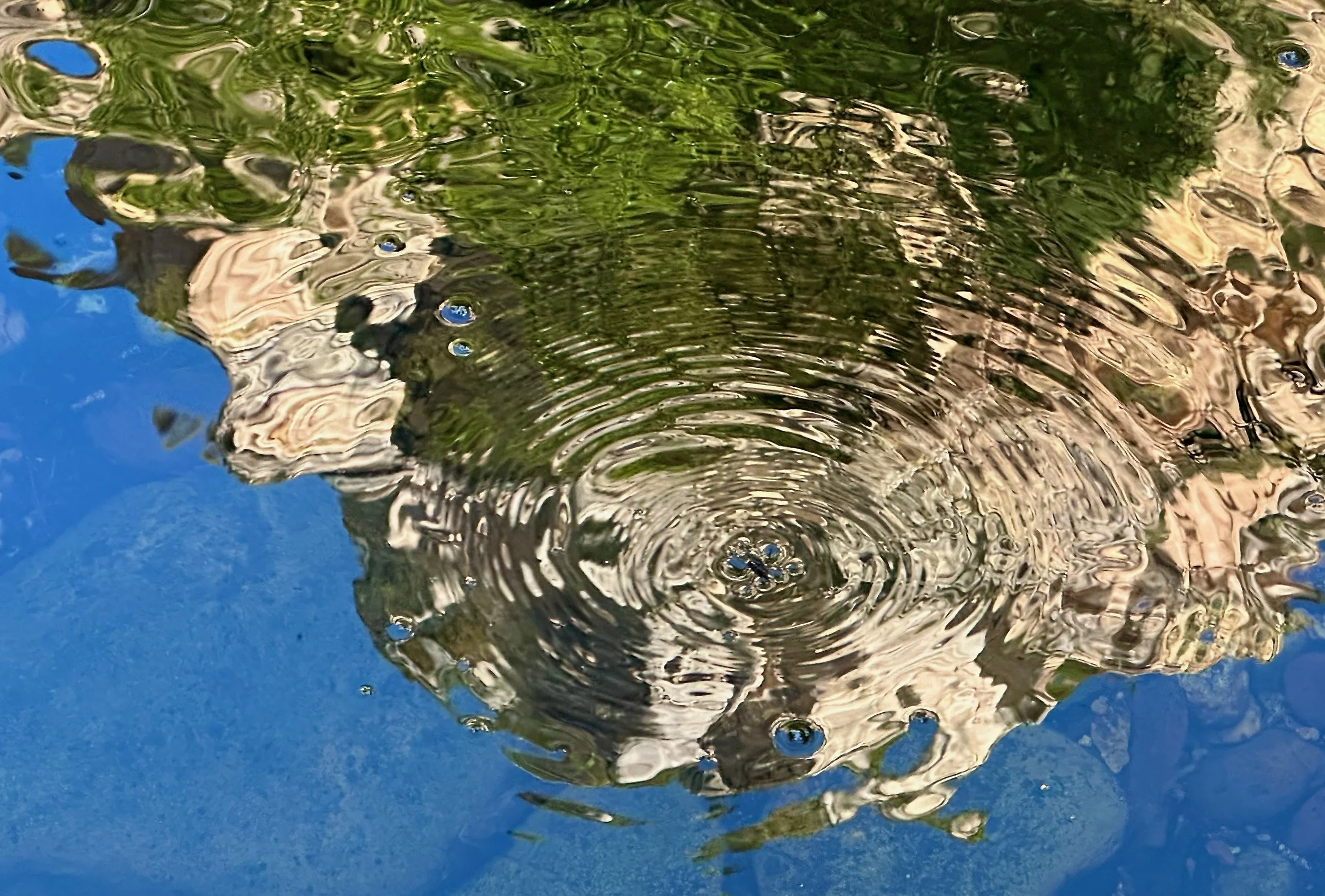
One early May morning, my feet trace a trail I haven’t touched in at least twenty years. It feels like lifetimes since I last visited the West Fork trail of Oak Creek Canyon in Sedona, Arizona.
It’s a majestic trail. The towering red stone canyon walls give evidence that cathedrals can form on their own, without needing to be built by human hands. The immense rock formations are as sacred and awe-inspiring as any of Europe’s great human cathedrals, and far older. Pilgrims are drawn to the canyon’s unique vistas in huge numbers. An automotive line to enter the trail parking lot forms every morning before the controlled gates are open. It isn’t just the external that many are seeking: in wilderness, there is something basic within ourselves, to which we often yearn to return.
When I last visited here, my lasting impression was of our effect on that crowded wilderness. We need care in our touch, lest our attention and affection accidentally degrade or destroy all we love. Yet, when I chose to write about that worn canyon later—in the story “Changing All We Touch” in my book Grateful by Nature—the photograph with which I chose to pair those thoughts was not of majestic stone. It was of a tiny water strider creating ripples in the creek, because we’re each like that. We’re tiny, yet we send out ripples with effects we’re not even in position to fully see.
Twenty years later, the creek mirror now gives me the opposite reflection. In the past two decades, I’ve changed far more than the canyon has, despite it surviving wildfire, winter torrents, and the relentless pressure of human footsteps. And I’m average in that way. Most often, all we touch changes us, more than we change it. It’s humbling to be reminded that the crags in our faces are far less lasting than the ones in the faces of stones.
Since I was here last, I’ve learned to celebrate being sculpted by the years—even the difficult ones. The canyon walls remind me how much character the ages can bring us. It’s what we make from the years, rather than the years themselves, which determine the shape of our wild inner cathedral. Yes, it’s a wilderness inside each of us, and at times a tough one. But it's also a rugged place of endless beauty and mystery within us, to be explored with curiosity and compassion. We need an inner touch as delicate and kind as with another majestic canyon. We send out ripples deep within ourselves, as well as in the outer world.
This new creek mirror reassures me about the strength and resilience of nature. No individual walking here is strong enough to destroy these towering canyon walls. When we’re gone, the creek will still be flowing too. The next generation of water striders will be here, making art daily in the mirror of the creek. The next generations of human children will arrive as well. Many will still seek beautiful wild places, and greet each other kindly along the trails. They too will explore their own personal wildernesses, as they stand in awe of the canyon.
In leaving the canyon behind once more, my lasting impression this time is that kindness and compassion are as resilient as any other form of nature. Though kindness and compassion are often as small and unnoticed as the water striders, they too have survived every shift of society and climate. They will do so again, and again, and again.
I’m not sure if I’ll ever see this canyon again. But I trust that here and everywhere, someone else will come along when I no longer can, to celebrate the subtle beauty that still permeates even the toughest of days. We too, are making art we may never see, with each motion in each day. And it changes us every time, carving just a bit more character in our increasingly craggy faces.